


Building an Island Hydrospatial Observatory, Why Small States Need Their Own Ocean Intelligence

Why hydrospatial matters for Seychelles
Despite our large Exclusive Economic Zone and complex seascapes, much of the foundational data including bathymetry, oceanographic observations, and marine spatial information has historically been collected through external surveys and projects, often without long-term local stewardship. That model leaves islands dependent on external priorities and timelines, even as coastal communities face immediate challenges like sea-level rise, erosion, and pressures on marine resources.
From idea to an observation organisation
The Seychelles Hydrospatial Observatory for Research and Exploration (SHORE) emerged from a simple but ambitious question ”What if Seychelles built its own dedicated ocean observation organisation, rooted in hydrospatial science and designed around the needs of our island?” The vision is to become a leader in the hydrospatial domain by advancing its importance and benefits for the country’s blue economy, while serving the public good through better knowledge of our waters. Rather than one-off mapping campaigns we aim to create an institute that can consistently collect, manage, and share data, and translate it into insight for policymakers, mariners, fishers, educators, and citizens.
Instead of designing a programme with a fixed end date, SHORE’s roadmap starts with establishment and governance, then building data infrastructure and capacity, and scaling up to services and research outputs. The early years will focus on foundational elements, such as appointing leadership, defining a clear strategic plan, setting up data standards and management systems, and building a team able to work across disciplines and technologies. At the heart of SHORE is ocean data that is treated as a national asset that must be curated and governed over time rather than a project by-product.

Lessons for ocean leaders in small island states
Four lessons stand out for others building ocean intelligence in small states.
First, start with governance, not gadgets. Without clarity on mission, data stewardship, decision-making, and accountability, even the best technology will underperform. Clear responsibilities allow an observatory to serve the public interest consistently.
Second, invest in people and data equally. High-quality satellite imagery, bathymetry, and oceanographic models are powerful, but their impact depends on local analysts, technicians, and scientists who understand both the tools and the contexts they serve.
Third, design for long-term local ownership. Relying solely on external surveys can entrench dependency and create data gaps. Home-grown hydrospatial institutions let countries shape research agendas and ensure that their people remain central to ocean decisions.

Finally, community must be embedded. An observation organisation is the network of stakeholders who use, question, and contribute to its work. Engaging government, coastal communities, fishers, youth, and regional partners from the outset creates a sense of shared ownership that is as important as any sensor or model.
Building SHORE is about claiming the right to see, study, and steward our waters on our own terms. Creating island-led hydrospatial observatories may be one of the most powerful forms of leadership we can exercise in a data-rich but still deeply unequal ocean world.
About the Author
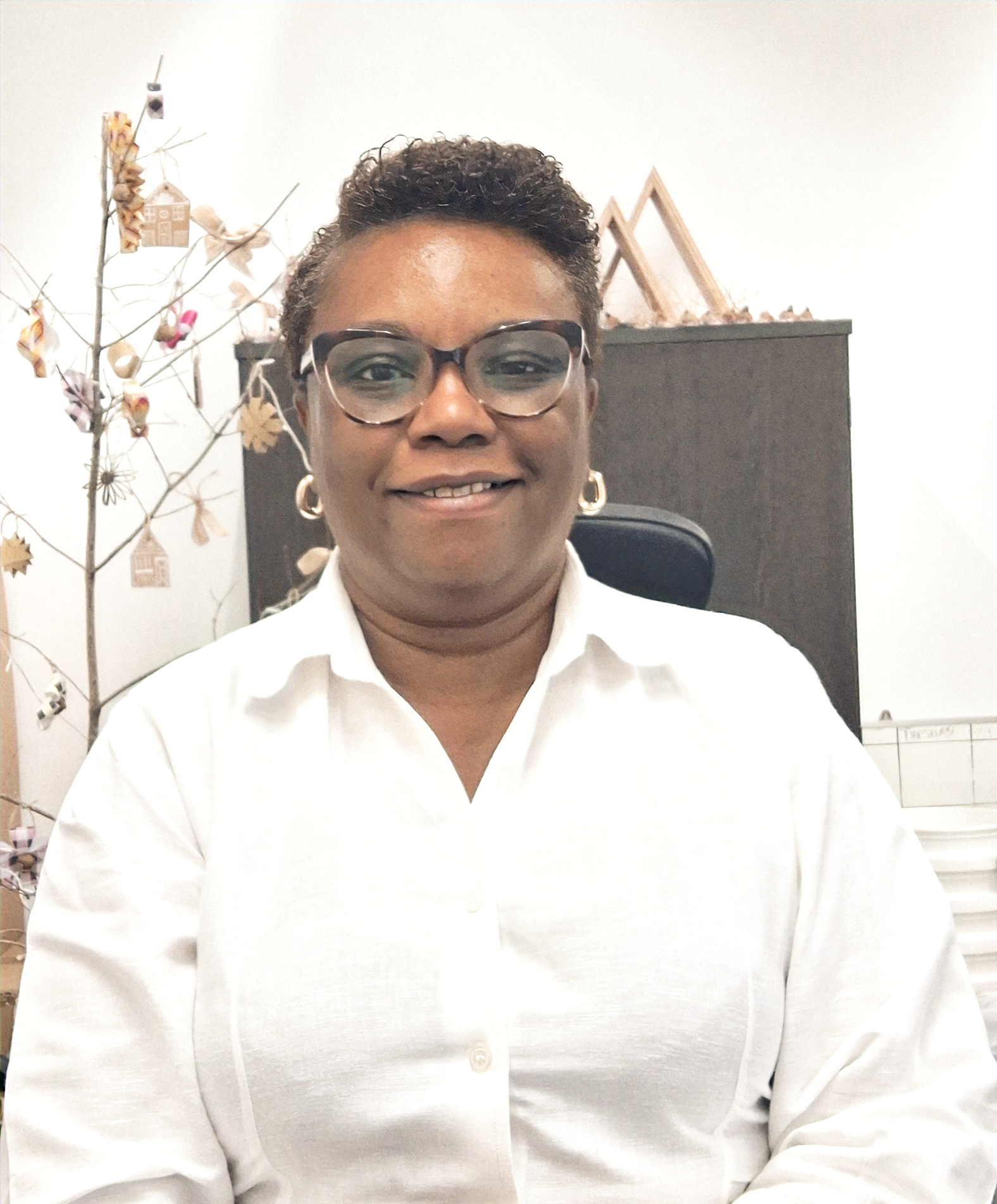
Francesca Adrienne is a Seychellois GIS specialist and the Founder and Chief Spatial Officer of the Seychelles Hydrospatial Observatory for Research and Exploration Institute.
Comments