


My Journey in GIS and Climate Resilience
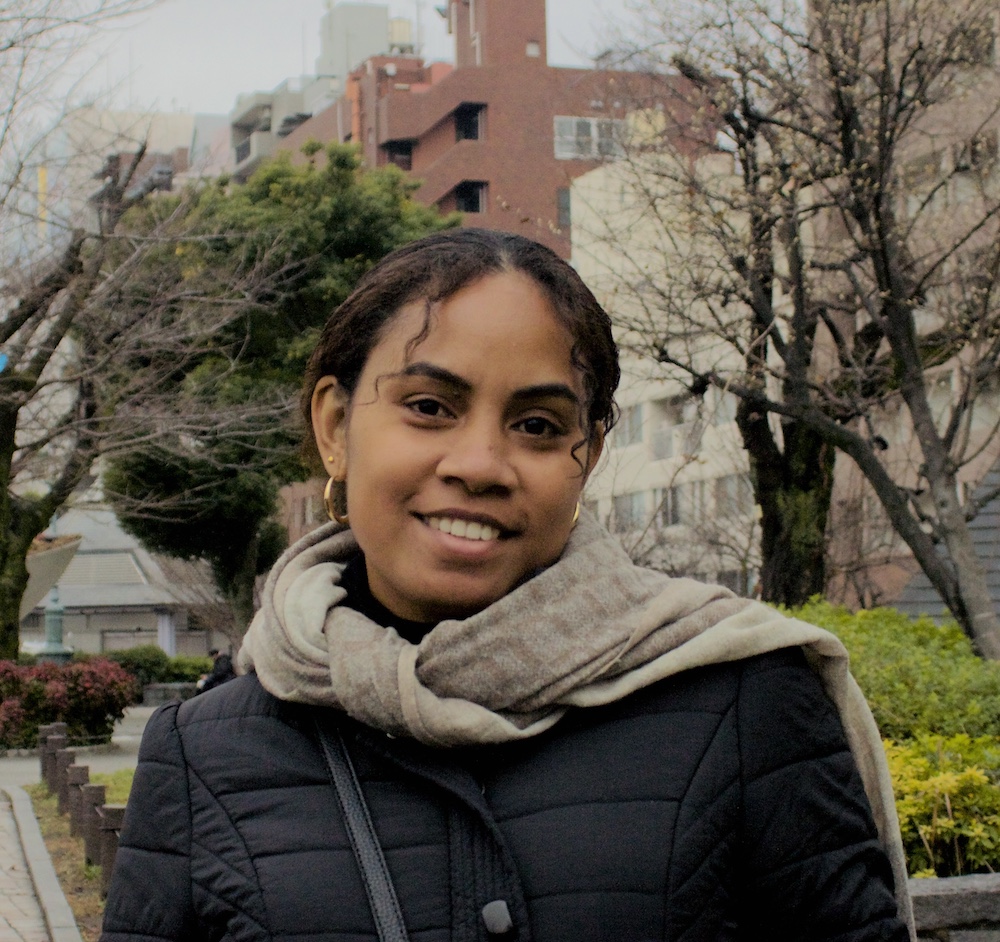

I grew up in the vibrant sugar city of Lautoka, Fiji, and hail from the village of Ucunivanua, Verata, Tailevu with maternal links to Viseisei, Vuda. From an early age, I found myself fascinated by geography, landscapes and the way our environment shapes daily life across the Pacific. My interest in maps and climate patterns grew naturally through school, eventually guiding me toward geoscience and later into the field of climate resilience. What began as simple curiosity became a passion that has shaped my academic journey and professional path.
This early fascination led me to pursue a bachelor’s degree in Geospatial Science at the University of the South Pacific, followed by a Postgraduate Diploma in Climate Change. During my studies, I realised how powerful spatial data could be in helping communities better understand risks, access information and prepare for climate‑related events. The ability to visualise data and translate complex patterns into meaningful insights became something I valued deeply.

My professional career began at the Fiji Meteorological Service within the Climate Division. There, I supported the production of rainfall distribution maps, cyclone track maps, percent‑of‑normal rainfall summaries, mean wind maps, flood‑risk maps and interactive station observation maps. This role gave me a strong foundation in applied GIS, climate analysis and public communication. It also reinforced how crucial accurate geospatial information is for preparedness in a region where extreme weather events are frequent and often devastating. Every map I produced played a part in supporting public awareness and national decision‑making.
In 2022, I joined the Pacific Insurance and Climate Adaptation Programme (PICAP), a joint initiative led by UNCDF, UNDP and UNU‑EHS aimed at improving the financial preparedness of Pacific households, communities, businesses and governments against climate risks. I began as a UN Volunteer Project Support Officer and later transitioned into my current role as Programme Associate. Through PICAP, I was introduced to the Climate and Disaster Risk Financing and Insurance (CDRFI) field, where geospatial data plays a strategic role in developing climate‑resilient solutions. My role involves programme coordination, research support, outreach activities and working with InsurTech partners to develop digital platforms and learning tools that strengthen financial resilience across the Pacific.
GIS remains at the heart of my contribution, where I provide technical oversight on spatial data quality and ensure that all administrative and beneficiary datasets for Fiji, Tonga, Vanuatu, Solomon Islands, Samoa, Kiribati and Papua New Guinea are accurate, current and properly validated. My work involves consistent georeferencing and spatial verification to maintain data integrity and ensure seamless alignment with digital platforms used by programme partners for onboarding purposes to the CDRFI products. Through close coordination with GIS consultants and technical teams, I help deliver dependable spatial inputs for insurance modelling and product development, while ensuring that data management processes, documentation standards and timelines are met.
One of the most impactful projects I contributed to was mapping more than 955 financial access points in the Solomon Islands. This mapping now supports the Central Bank’s efforts to strengthen financial inclusion, an essential foundation for delivering parametric insurance to remote and vulnerable communities. Ensuring that people have access to financial services is a critical part of building climate resilience.
To me, GIS is not just a technical skill. It is a tool that enhances evidence‑based planning, strengthens programme decision‑making and helps ensure climate solutions are grounded in accurate, real‑world understanding. In many ways, each map and dataset becomes a step toward building a safer, more resilient Pacific.
About the Author
Emele Lasaqa serves as a Programme Associate with the Pacific Insurance and Climate Adaptation Programme, led by UNCDF, UNDP and UNU‑EHS.


Comments