


Water Resource Management in Africa
Updated: Dec 16, 2025

It is universally known that "water is life", yet across Africa, thousands still struggle to access clean and safe drinking water. Despite abundant rivers, lakes, and rainfall; poor infrastructure, rapid urbanisation, and climate change have created a persistent water crisis.
Growing up, I witnessed the impact of water scarcity that made people in my community struggle to access drinking water. This experience sparked my interest in water resource management.

When I logged into World Water Week 2025 virtually, I was struck by the recurring theme: “Water for Climate Action.” It was a reminder that water is at the heart of every conversation about sustainability, resilience, and survival. Listening to experts from across the globe, I realised how deeply Africa’s future depends on how we manage this most essential resource.
For Africa, this means prioritising community-driven solutions, resisting harmful privatisation, and ensuring water remains accessible to all. The Africa Water Vision 2025 emphasises equitable and sustainable use of water for socio-economic development, urging governments to invest in climate-resilient infrastructure and protect water as a public good.
Nigeria, with a population exceeding 200 million, faces one of the continent’s most severe water crises with only about two-thirds of Nigerians having access to clean drinking water, leaving over 60 million people without safe water.

Waterborne diseases like cholera and typhoid are rampant, farming communities face declining freshwater availability, with the Nigeria Hydrological Services Agency reporting a 40% drop since 1990. Shrinking Lake Chad down by 90% since the 1960s has devastated irrigation and food security.
All of these issues can be solved, with proper climate resilient planning, which we must focus on intentionally. We must begin to invest in public infrastructure, integrate climate action, and promote community solutions.
I am calling Nigerian policy makers to awareness on taking our water problem serious, because water is life.
About the Author
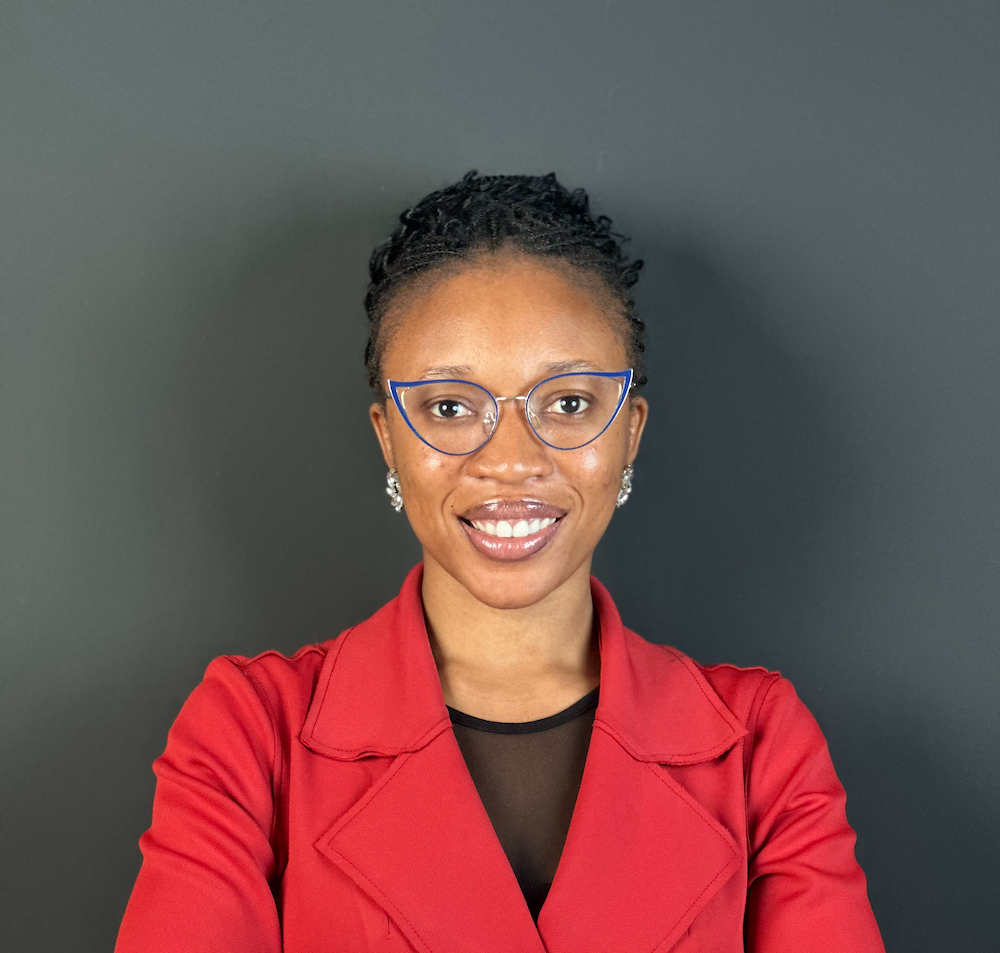
Racheal Ayeni is a Geospatial Data Analyst and works in at Geoinfotech Resources Limited, Nigeria, she is passionate about leveraging geospatial data to empower communities.

Comments